Newspapers
The Oregonian
Oregonians should support outright legalization. No responsible adult wants kids using pot, but legalization would simply add another product to an “adults-only” category that includes tobacco and alcohol. There is no movement to ban alcohol in order to keep it away from kids, so why use that justification to prevent the legalization of marijuana, which in many ways is no worse?
The Register-Guard
Prohibition keeps drug dealers in business — dealers who have no compunction against selling pot and other drugs to children, selling products of dubious purity and feeding profits to organized criminal enterprises. Measure 91 would pinch one of the conduits for the cash that finances drug cartels by bringing much of the underground marijuana economy into the open, where it could be monitored, regulated and taxed.
The East Oregonian
We spent millions — then billions — to combat it. We toppled governments in our own hemisphere to stop its cultivation. We imprisoned millions of our (mostly black) citizens as punishment for using it. All of that, to very little avail. Marijuana continues to abound in Oregon, from high school hallways to back alleys to suburban basements…. The opportunity to incorporate a policy that is similar — but better — than those in Colorado and Washington will be in front of voters in November… we support the passage of Measure 91.
The Medford Mail-Tribune
Under the status quo, Oregonians use marijuana they buy illegally…. Criminals and drug cartels get all the financial benefit. Police agencies spend time and money chasing growers, dealers and users, resources they could devote to more serious crime. Under Measure 91, state-licensed farmers would produce the drug under strict controls. The Oregon Liquor Control Commission, which knows a thing or two about regulating an intoxicating substance, would oversee the distribution and sale of legal pot to those 21 and over. The OLCC would have authority to regulate potency, labeling, testing and portion size — information that is not available on the black market.
Corvallis Gazette-Times
Oregon would be well served by the passage of Measure 91, which would allow the regulated cultivation, sale and possession of marijuana for recreational use by adults 21 and older. The 36-page measure empowers the Oregon Department of Agriculture to regulate cultivation; the Oregon Liquor Control Commission would regulate sale and distribution under rules even stricter than those that apply to alcohol. But even with those concerns to address — and the large issue of pot’s continued prohibition at the federal level — we still think passage of Measure 91 would end the long, failed prohibition on pot. It is a good step toward clarifying an issue that’s been hazy long enough.
Willamette Week
We’ve said it before, we’ll say it again: The war on weed has failed. The most heated argument in the latest effort to legalize marijuana is whether law enforcement is still wasting resources by making arrests, or simply turning a blind eye. And if you think the days of people getting cuffed in pot busts went out with Robert Mitchum and Johnny Cash, consider federal data released last year. It shows African-Americans are nearly four times as likely to be arrested for marijuana possession as whites. The New York Times was right to say the war on marijuana has turned into a war on minorities.
Portland Mercury
New Approach rightly points out that African Americans are twice as likely as white Oregonians to be cited for pot infractions, and notes that millions of dollars are being pumped needlessly into the black market. The state’s sheriffs and district attorneys have lined up against the measure, spinning visions of toddlers unknowingly noshing on overpowering pot cookies and middle school students effortlessly buying joints. Best to leave pot where it is, they say: tolerated but relatively difficult to obtain. But that argument—with its hypocritically permissive attitude toward illegal pot use—amounts to acceptance of a policy that hasn’t made sense for decades. It’s time to adopt a realistic view of marijuana. Vote yes on Measure 91.
The Source Weekly (Bend)
Our argument for a Yes vote on Measure 91 is primarily financial… it will generate gobs of tax money for law enforcement and education.
The Skanner
…the so-called War on Drugs has failed to stem their use and has filled our jails and prisons with low-level offenders – all at taxpayer expense – this measure might be the best chance we have to restore some sanity to the system. Legalize it, regulate it like alcohol, and create a new revenue stream for the state. We vote YES.
Eugene Weekly
New Approach Oregon has created a thorough measure that avoids the pitfalls of 2012’s failed Measure 80 and, similar to the movement for marriage equality, Oregon does not want to be on the wrong side of history here. In addition to the ethical and moral ramifications, and easing prison bloat, the measure would be a great economic boon for the state: 40 percent of tax revenue would go to Oregon’s Common School Fund, 20 percent to the Oregon Health Authority’s mental health and drug services, 15 percent to the state police and 20 percent to local law enforcement.
The Advocate
There’s more to legalization than just getting high and sedating pain. Marijuana would be taxed to provide more state revenue for schools and police forces. Those who dig the joint will smoke regardless if there’s a rule against it. If smoking marijuana is inevitable, we should try to use it for our benefit. Passing 91 will also help depopulate prisons, which are flooded with people who have bought and sold marijuana. The decriminalization of marijuana will allow more and better persecution of more serious crimes, such as sex trafficking and hard drugs.
Street Roots
Measure 91 would legalize recreational marijuana use. Street Roots has long advocated for the legalization of marijuana. For Street Roots, it’s simple. Legalizing marijuana will help deter the targeting of poor people when it comes to minor drug offenses. Not to mention that it will bring a multi-billion dollar industry out of the shadows. That means more money for schools and treatment programs. The time is now. Vote yes on Measure 91.
The New York Times
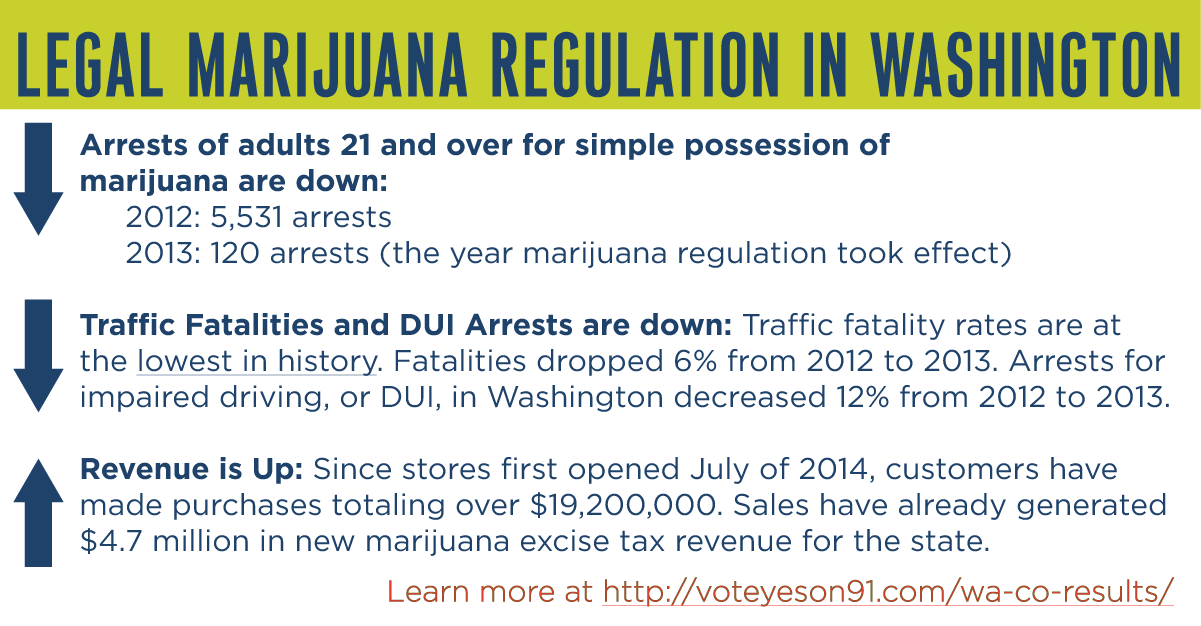
In 2012, Washington State and Colorado legalized recreational marijuana. This November, voters in Alaska, Oregon and the District of Columbia will decide whether to do the same — effectively disregarding the misguided federal ban on a drug that is far less dangerous than alcohol. Decades of arresting people for buying, selling and using marijuana have hurt more than helped society, and minority communities have been disproportionately affected by the harsh criminal penalties of prohibition.
Legalizes use and tightly regulated sale of marijuana for adults 21 and over, freeing up law enforcement for more pressing priorities. Regulates and taxes the sale through the Oregon Liquor Control Commission; tax revenues would benefit schools, state and local police and alcohol and drug treatment and prevention programs. People of color are disproportionately more likely to be arrested for and incarcerated longer for marijuana possession than white people, also making this measure a step toward reducing unjust impacts of the prison system on people of color.
Cascade Business News
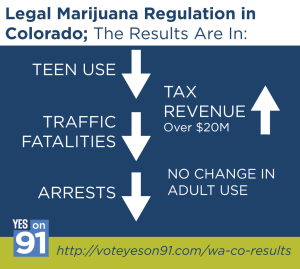
Approval will make Oregon the third in the nation to legalize marijuana for adults outright. Colorado’s numbers reveal the state made more than $60 million in legal marijuana sales this year. What would this mean for Oregon? … Oregon could net an extra $55 million in revenue each year by legalizing and taxing the drug.
Civic Groups
The Oregon State Council for Retired Citizens
This is the first time a senior organization in Oregon has endorsed a marijuana regulation measure. I’ve seen how medical marijuana can transform seniors lives, but when you are sick and in need of effective medicine, getting a medical marijuana card can be difficult, and without legalization, almost no research is done on it, making it hard for people to estimate the proper dosage.
Oregon Alliance for Retired Americans
City Club of Portland
Current marijuana laws unnecessarily limit adult Oregonians’ freedom to consume a product that is less addictive than legal products such as alcohol and tobacco. The social costs of the current system are too high; crime can be reduced through regulated legalization; youth consumption can be discouraged through education and advertising; economic opportunity will increase through added revenue and job growth.
Democratic Party of Oregon
Allows possession, manufacture, and sale of marijuana to adults 21 and over, subject to state licensing, regulation, and taxation. The Oregon Liquor Control Commission would regulate all sales.
Labor Groups
United Food and Commercial Workers
AFSCME Local 328
American Federation of State, County and Municipal Employees Local 88 (AFSCME)
Treating marijuana as a crime wastes police resources and tax money on nonviolent offenders while there are more serious priorities crimes and public safety issues. Measure 91 allows police to focus on keeping our families safe from dangerous criminals.
Public Safety and Justice Groups
ACLU Oregon
Legalizing, regulating and taxing the recreational use of marijuana by adults 21 and older will bring a new approach to our drug laws, making them more fair, more compassionate, and smarter at reducing drug dependency and improving public health and safety. We urge a YES vote.
National Association of Social Workers, Oregon Chapter
While exploring the issue it became evident that criminalization of marijuana has not significantly curbed abuse of the drug…. Measure 91 would create an above-board taxed market with revenues dedicated to programs aimed at addiction and mental health…. NASW-OR strongly supports Measure 91’s public health approach to marijuana regulation.
The Oregon Criminal Defense Lawyers Association
Partnership for Safety and Justice
No one should go to jail for marijuana. Too many people have been punished, and too many of them have been youth and people of color. Too many tax dollars have been wasted without increasing public safety. Too many public resources have been diverted that could have been used to help crime victims and address unmet community needs across Oregon.
OPAL Environmental Justice Oregon
Decades of marijuana criminalization have harmed communities across the country, as well as here in Oregon. Measure 91 will restore a moral, rational and just approach to social norms. It will remove harsh, unjustified punishments for possessing small amounts of marijuana, enable police to refocus resources to stopping violent crime, generate revenue to bolster vital state resources like schools and drug prevention and treatment programs, and take money out of the hands of criminals, diminishing violence in our communities.
Law Enforcement Against Prohibition
LEAP is a nonprofit organization made up of current and former members of the law enforcement and criminal justice communities who are speaking out about the failures of our existing drug policies. Those policies have failed, and continue to fail, to effectively address the problems of drug abuse, especially the problems of juvenile drug use, the problems of addiction, and the problems of crime caused by the existence of a criminal black market in drugs.
Racial Justice Groups
Asian Pacific American Network of Oregon (APANO)
Legalizes use and tightly regulated sale of marijuana for adults 21 and over, freeing up law enforcement for more pressing priorities. Regulates and legalizes sales through the Oregon Liquor Control Commission; taxes would benefit schools, state and local police and alcohol and drug treatment and prevention programs. People of color are disproportionately more likely to be arrested for and incarcerated longer for marijuana posses- sion than white people, also making this measure a step toward reducing unjust impacts of the prison system on people of color.
Western States Center
In 2012, there were nearly 13,000 arrests or citations for marijuana in Oregon. Even though both groups use marijuana at the same rate, Black Oregonians are twice as likely to be arrested for marijuana possession as Whites. We urge you to VOTE YES.
Environmental Groups
Oregon League of Conservation Voters
YES on Measure 91
“Illegal marijuana cultivation on state and federal lands leads to trashed forests and parks, including in Oregon. In addition, illegal growing operations frequently use harmful pesticides that kill endangered species and harm water quality of nearby rivers and streams.”
–